
Radiator cores, intercooler cores, and oilcooler cores are important replacement and repair parts for cooling system work. For importers, repair shops, radiator rebuilders, and aftermarket distributors, choosing the right core is not only about finding a similar-looking product.
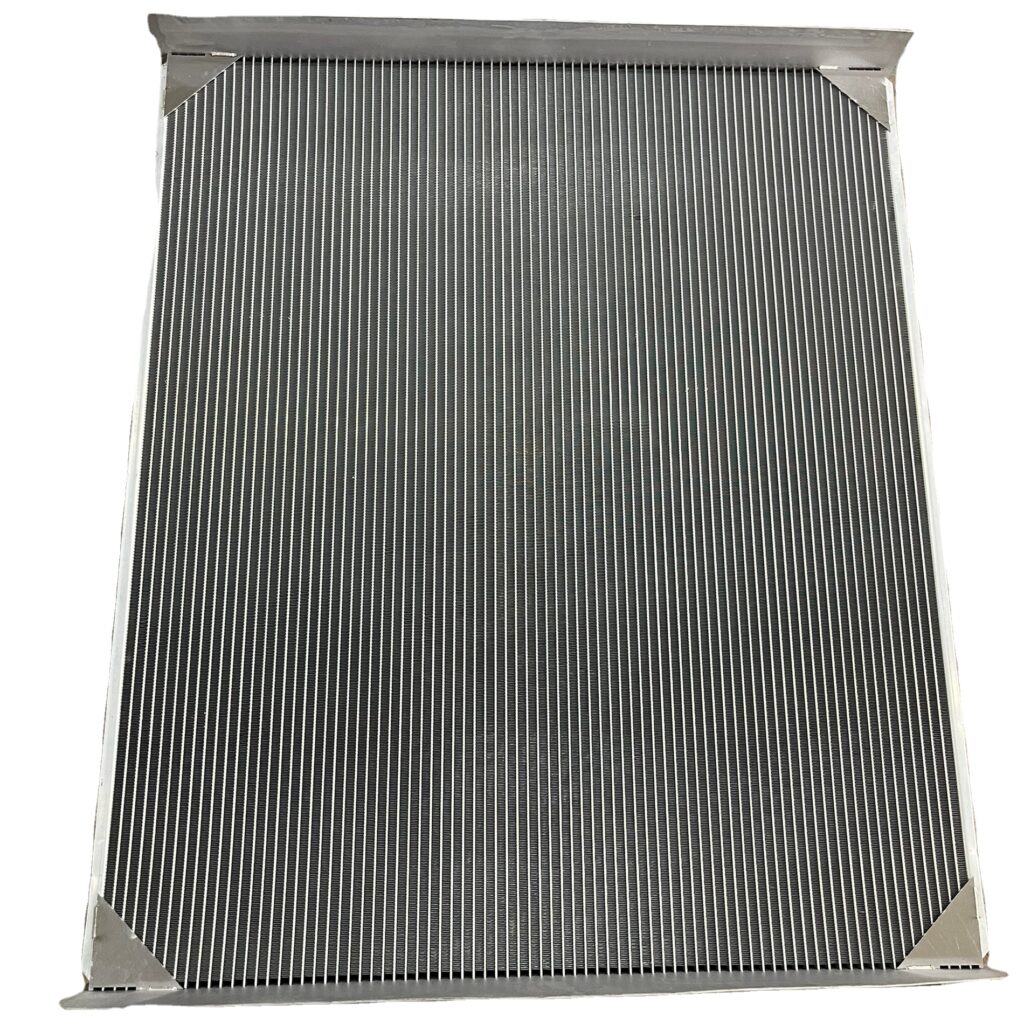
Core size, structure, material, application, and sample confirmation can all affect whether the part is suitable for repair or production use.
What are cooling system cores?
A radiator core is the central heat exchange part of a radiator. An intercooler core is used for air cooling in turbocharged applications. An oilcooler core helps cool engine oil or transmission oil depending on the application.
Although these products are all heat exchange cores, their structure and working conditions can be different. Buyers should confirm details before placing an order.
What should buyers check first?
Before ordering radiator cores, intercooler cores, or oilcooler cores, buyers should confirm:
- Core size
- Thickness
- Material
- Tube and fin structure
- Plate and bar structure if required
- Application or vehicle model
- Sample or drawing
- Quantity
These details help suppliers check whether an existing model is available or whether production needs a sample reference.
Why size and structure matter
Two cores may look similar in photos, but small differences can affect installation or performance. Width, height, thickness, tube layout, fin density, and side structure should be checked carefully.
For radiator rebuilders, the core must match the tank and frame structure. For intercooler and oilcooler applications, pressure condition and connection style may also need attention.
Plate and bar core checking
Some oilcooler cores and intercooler cores use plate and bar structure. When buyers need this type, it is important to confirm the exact structure, size, and application.
If only a general product name is provided, it may not be enough for accurate checking. Photos, drawings, or samples can make confirmation much faster.
Common problems when details are unclear
If buyers order cores without enough information, common problems may include:
- Wrong size
- Different thickness
- Different tube or fin structure
- Wrong side structure
- Poor fit with tanks or frames
- Unsuitable application
These problems can delay repair work and increase return risk in wholesale orders.
Better way to send inquiry
To speed up checking, buyers should send:
- Product photos
- Dimensions
- Vehicle model or application
- OEM number if available
- Sample or drawing if the model is special
- Order quantity
For mixed cooling system orders, cores can also be checked together with radiator tanks, caps, filler necks, water flanges, welding materials, repair tools, radiators, and intercoolers.
Conclusion
Radiator cores, intercooler cores, and oilcooler cores should be checked by size, structure, material, and application before ordering. Clear information helps reduce wrong matching and improves order efficiency.
If you need help checking radiator cores, intercooler cores, oilcooler cores, or other cooling system parts, send us your product photos, dimensions, vehicle model or OEM number, and quantity.
View product categories: https://jjradiator.com/products/#radiator-cores
Request a quote: https://jjradiator.com/contact/